Paratrike. Torque Effect
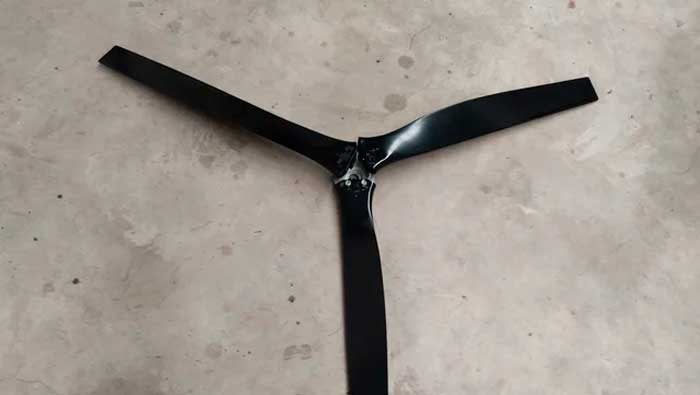
When we apply power to a piston engine, it generates what physicists call a torque. Torque is a force that causes an object to rotate around an axis. In this case, it is the engine's crankshaft, which is, in turn, connected to the propeller.
In this way, the power applied to the engine causes the propeller to rotate.
During this rotation, the propeller encounters resistance (drag) due to friction with the surrounding air. This resistance is, in itself, a force that opposes the motion generated by the engine. This reaction force which, in turn, produces a propeller pair o propeller torque. The propeller pair causes the trike to turn in the opposite direction of the propeller, that is, to the left (in clockwise-rotating engines, such as the ROTAX 582).
A greater power, the greater the torque will be, and therefore, the greater the resistance generated by the propeller's movement. The greater the power, the greater the the trike's tendency to turn to the left (in engines that rotate clockwise, such as the ROTAX 582).
Engine torque and propeller torque manifest themselves differently depending on the phase of flight:
- When the trike is in flight, the torque causes the aircraft to bank to the left (left banking). This tendency is counteracted by a slight Counter-wobble with the right brake; release the left trim slightly
- When the trike is idling, the torque is barely noticeable